When Being a Columbus Landlord Stops Making Sense
Columbus has been a strong rental market for years — Ohio State, a large healthcare sector, and steady job growth keep demand high. But being a landlord is different from having a good rental market. Being a good landlord requires consistent time, attention, and tolerance for tenant problems that never seems to diminish over the years.
The moment people reach when they want out looks different for everyone. Sometimes it's a particular tenant who caused $15,000 in damage and dragged out an eviction for four months. Sometimes it's the third 2am call about a furnace in January. Sometimes it's just doing the math and realizing the property has appreciated enough that selling makes more financial sense than continuing to collect rent. Any of these is a valid reason.
Ohio Landlord-Tenant Law — What Columbus Landlords Deal With
Ohio's landlord-tenant law (ORC Chapter 5321) provides some of the more tenant-friendly protections in the Midwest, which isn't necessarily bad — but it does mean that landlords who want out have more process to navigate than they sometimes expect.
Key things Columbus landlords should know:
- Notice requirements: In Ohio, month-to-month tenants are entitled to 30 days notice before you can require them to vacate. Fixed-term lease tenants cannot be required to leave until their lease ends (unless they've materially breached the lease).
- Eviction timeline: Ohio's eviction (forcible entry and detainer) process typically takes 30–60 days for an uncontested case in the Franklin County Municipal Court. Contested evictions, or those complicated by tenant counterclaims, can take 90–120 days or longer.
- Security deposit rules: Ohio requires security deposit returns within 30 days. Improper handling can expose landlords to double damages.
- Habitability requirements: Columbus has additional housing codes beyond state law, including specific requirements for rental property registration with the Columbus Department of Development.
None of this is impossible to navigate, but it adds up over time. Columbus landlords manage this complexity every year they hold rental property.
Selling a Tenant-Occupied Columbus Rental Property
This is the most common scenario we encounter with tired landlords: a property that has a tenant in it, often one who isn't going anywhere voluntarily. You have a few options.
Wait for the Lease to End
If your tenant has a fixed-term lease, you can give notice that you won't be renewing, wait for the lease term to expire, and sell vacant. This is the cleanest approach — an empty home is much easier to sell on the open market. The downside is time: if the lease has 8 months left, that's 8 months before you can even list.
Try to Negotiate a Move-Out
"Cash for keys" — offering the tenant a payment to vacate early — has a mixed track record in Columbus. Some tenants take it happily. Others don't move until the legally required date regardless. It's worth trying, but don't count on it.
Sell With the Tenant in Place
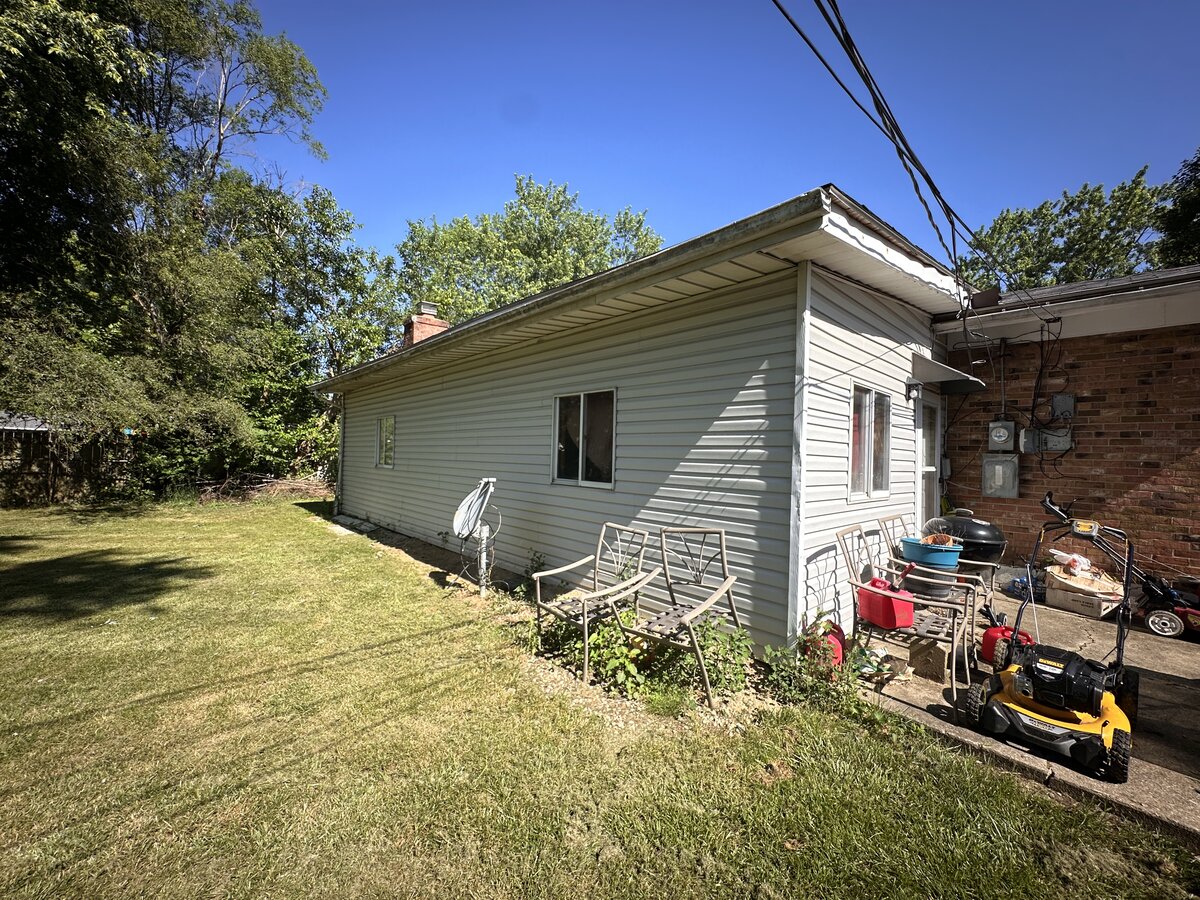
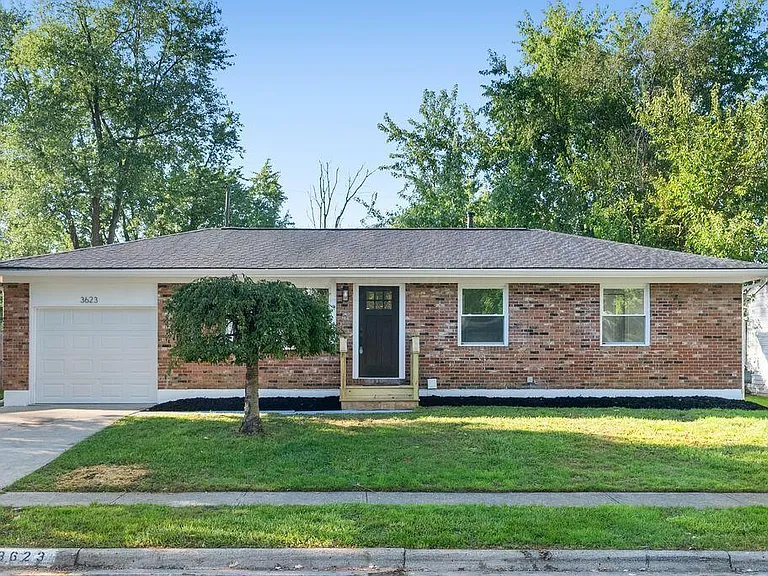
This is actually the cleanest option for many tired landlords, and it's something Momentum Acquisitions does regularly. We buy Columbus rental properties with tenants in place. You don't need to evict anyone, wait out a lease, or manage cash-for-keys negotiations. We buy the property as-is, with whoever is currently living there. We handle the tenant relationship going forward — that's your last call about this property.
Does a Rental Property Still Make Financial Sense?
Columbus rental properties have appreciated significantly over the past decade. Many landlords who bought at $120,000 are now holding a property worth $280,000–$320,000. That's real equity — and there's an opportunity cost to keeping it tied up in a rental property vs. deploying it elsewhere.
A simple back-of-envelope analysis worth running: What is your gross monthly rent? After subtracting property management fees (typically 8–10% of rent in Columbus), property taxes, insurance, maintenance reserve (typically 1% of property value annually), and vacancy rate (Columbus averages about 5%), what's your actual net annual return? Compare that to what you'd earn by investing the equity in something else. For many long-term Columbus landlords who bought pre-2015, the math has shifted — the appreciation has been spectacular and the ongoing yield has been compressed by rising costs.
We're not financial advisors, and this isn't financial advice. But we do think it's worth running the numbers honestly before assuming "I should keep the rental" is still the right answer.
Multi-Unit Properties in Columbus
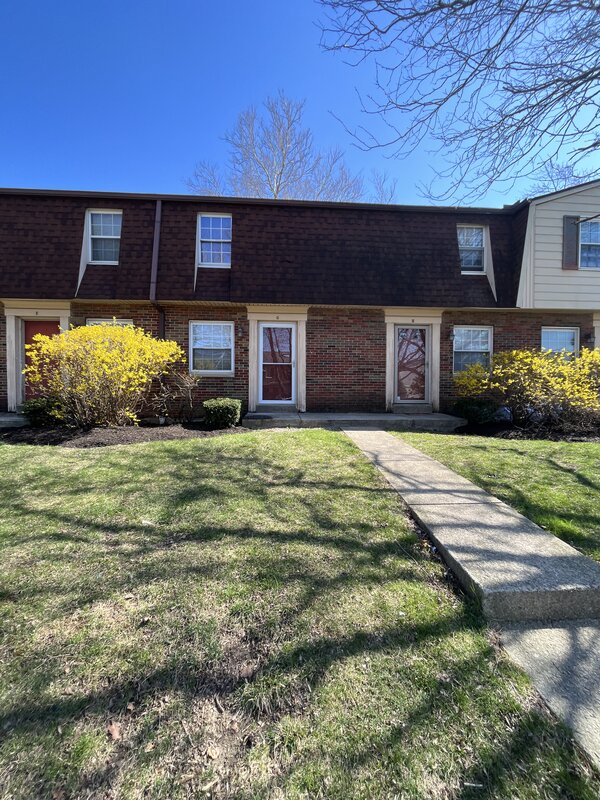
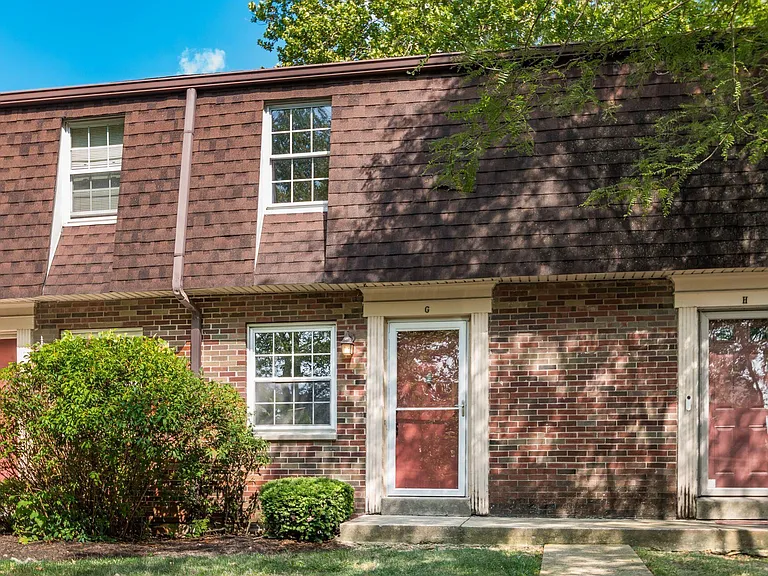
We buy Columbus duplexes, triplexes, fourplexes, and other small multi-family properties in addition to single-family rentals. Multi-unit properties in Columbus — particularly in neighborhoods like Franklinton, Linden, Near East Side, and South Side — often need significant capital reinvestment to bring them to current standards. If you're not prepared to make that investment, selling as-is to a cash buyer is often the most sensible exit.
How We Buy Columbus Rental Properties
Tenant-occupied, vacant, mid-eviction, lease ending soon — we handle all of these.
Based on current Columbus comps and the property's condition, factoring in any tenant situation.
We handle any tenant communications from the moment contracts are signed. You step back immediately.
You get your cash. The rental is someone else's problem. Done.